Why didn’t the sun go to college?
It already had a million degrees!
The best of internet humor…on the radio
the best of internet humor…on the radio

Why didn’t the sun go to college?
It already had a million degrees!
But what part of winter do you hate?
A popular meme on social media breaks down Ohio’s seasons into 12 different time frames including:
– Second Winter
– Spring of Deception
– Third Winter
– And, of course, The Pollening (aka pollen season).
Trivia question of the day
from careeraddict.com
Which of these is a real job?:
1. Scuba Diving Pizza Delivery Man
2. Dog Food Taster
3. Professional Sleeper

From upjokes.com
Q: Why is it smart to ask your coffee mug for advice?
A: Because it always has a handle on everything.
We give some attention to advice, and we play a classic improv game “Good, Bad, Ugly Advice.”
What’s the word on restaurants?
From Google Generative Search
It’s time to zhuzh your vocabulary. Merriam-Webster announced that 690 words and definitions would be added to its dictionary in 2023. The words range from colloquial phrases like doggo and “beast mode” to important news words to know, like “forever chemical” and UAP (unidentified aerial phenomenon).
However, food words are often the most fun, and the ones added this year reflect the ever-evolving culture of food and restaurants in the United States. We’re glad to see “Cheffy” make the list. It’s defined as “characteristic of or befitting a professional chef.” Smashburger is official now, too, and really needs no definition. Another word that often shows up in our news stories is “Stage,” which is “an unpaid internship in a professional kitchen that is part of a chef’s training.”
Many other food words added to the dictionary this year include dishes from Mexican, Italian, Indonesian, West African and South American cuisines, like “torta,” “guanciale” (a cured Italian meat product typically made with pork jowls and spices), “emping” (a slightly bitter cracker or chip popular in Indonesia that is made from the dried flattened seed of a melinjo tree), jollof rice, and “chicha” (South American and Central American beer made chiefly from fermented corn.)
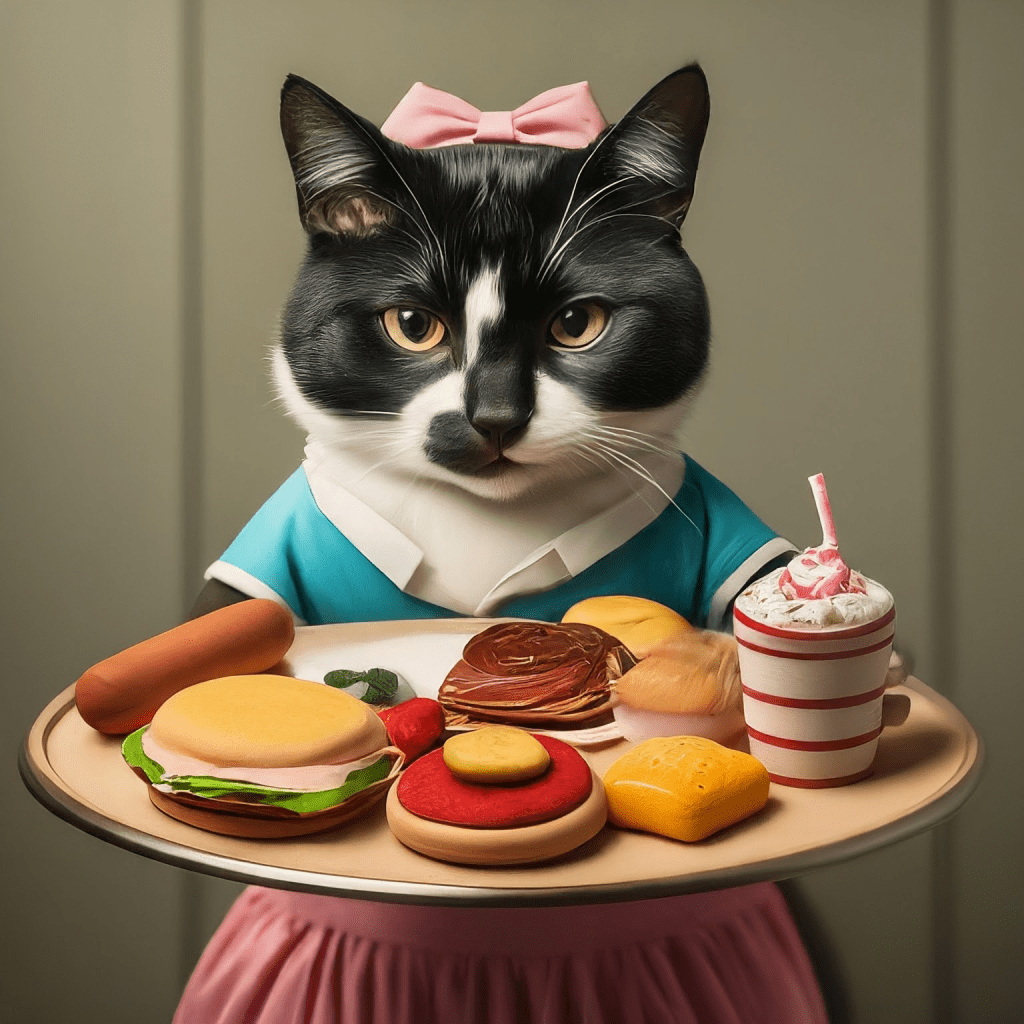
Do you want flies with that?
Here’s a Tip
From Google Generative Search
The word “tip” has an unclear etymology. The Oxford English Dictionary says it originated as a slang term used by criminals over 400 years ago. The Online Etymology Dictionary says the meaning “give a small present of money” began around 1600, and the meaning “give a gratuity to” is first attested in 1706.
One widely accepted reason behind the word “tip” comes from the phrase “To Insure Promptness”. This phrase was found on the sides of bowls in coffee houses, where patrons could leave some money to ask for prompt service. However, this is an urban legend.
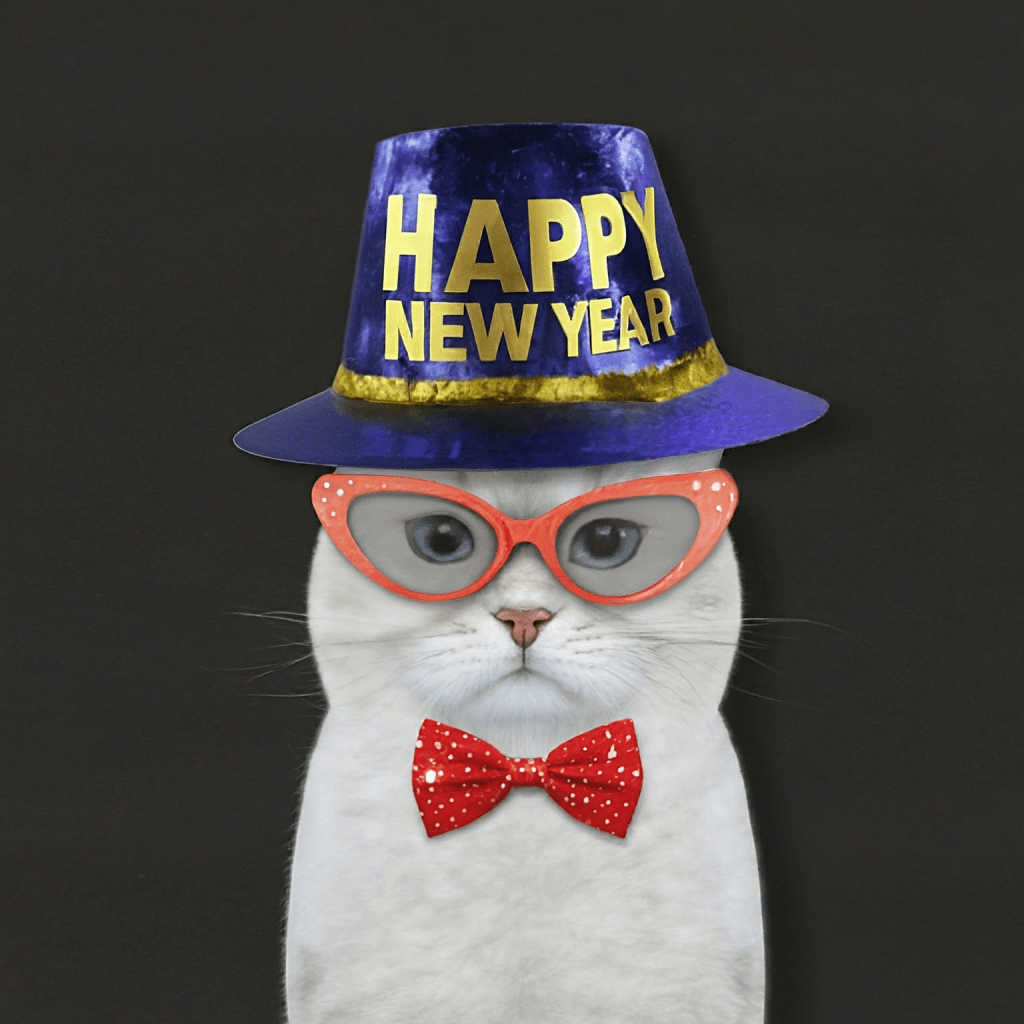
I can’t take the peer pressure to improve.
Quitter’s Day
From LinkedIn.com – written by John Boitnott
The second Friday in January is Quitter’s Day.
Quitter’s Day is the moment many abandon New Year’s resolutions, but understanding the science of habit formation can help you overcome this hurdle.
As the euphoria of New Year’s resolutions begins to wane, a formidable challenge looms on the horizon — “Quitter’s Day.” Recognized as the second Friday in January, this day marks a critical juncture where many individuals abandon their well-intentioned goals.
Turns out, there’s actually some science that backs why Quitter’s Day is something everyone, including entrepreneurs, should watch out for. Fitness app Strava analyzed exercise data from almost 100 million user-uploaded exercise activities and found that activity began to wane by the end of the first two weeks of January.
When it comes to New Year’s resolutions, the initial burst of motivation often stems from a genuine desire for change. However, sustaining this momentum involves navigating the intricacies of neuroplasticity — the brain’s ability to reorganize itself. As the novelty of resolutions wears off, the brain resists deviation from the established routines you had before you made a resolution
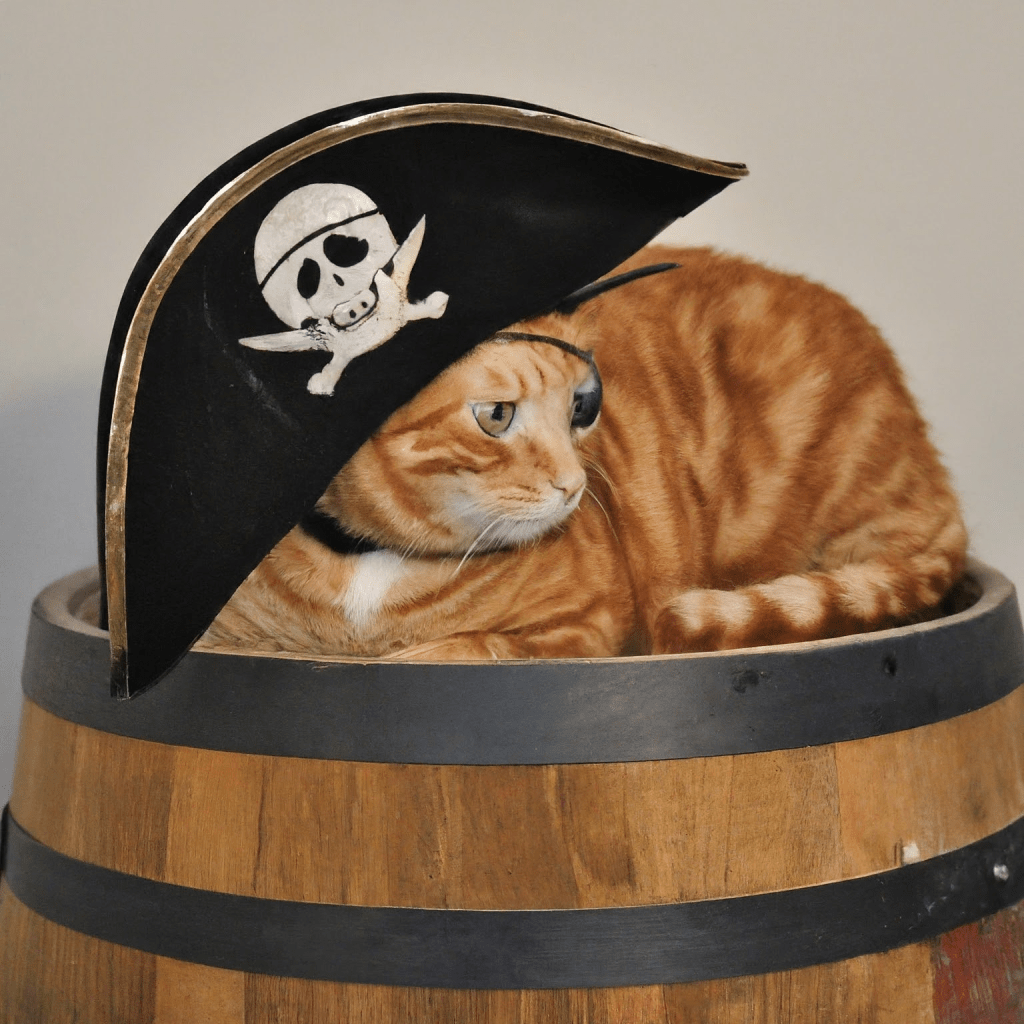
Yo Ho Ho and a Bottle of Pun.
You Could Become a Certified Pirate
Earning the right to call yourself a pirate once meant living a rough-and-tumble life on the seas, robbing ships, and dodging naval law. However, modern swashbucklers enrolled at the Massachusetts Institute of Technology have a much easier go of it. Students who attend the esteemed university can earn a certificate in piracy by completing four classes — sailing, fencing, pistol shooting, and archery — and then taking the school’s secret pirate oath.

Apologies in advance for the singing. We couldn’t help ourselves.
Twisted Christmas Songs
In 1988, Bob Rivers and his Comedy Corp. recorded an album of holiday songs called Twisted Christmas. Here are some of the most memorable tracks:. The Twelve Pains of Christmas – Parody of “The Twelve Days of Christmas”. Sung as a normal Christmas carol, with each verse comedically recited by a participant in a painful activity. The 12 days are:
12. Singing Christmas Carols
11. Stale TV Specials
10. Batteries Not Included
9. Finding Parking Spaces
8. Charities
7. The Salvation Army
6. Facing my In-Laws
5. Five months of bills!
4. Sending Christmas cards
3. Hangovers
2. Rigging up the lights
1. And finding a Christmas tree

Top 10 List
From maineiac.com
The Top 15 Ideas for Useless Inventions
15. Battery-powered battery charger.
14. Car steering triangles — doubles as an anti-theft device.
13. Cast iron wire.
12. Dehydrated water.
11. Diet celery.
10. Digital clock-winder.
9. Double-sided playing cards.
8. Downhill Stairmaster.
7. Fine glass-crystal castanets.
6. Foam rubber toothpicks.
5. Freeze Dried Water.
4. Frictionless Sandpaper.
3. Inflatable dart board.
2. Matte finish floor wax.
And the #1 Top Idea for Useless Inventions…
1. Non-intrusive alarm clock (raises a flag instead of ringing a bell).
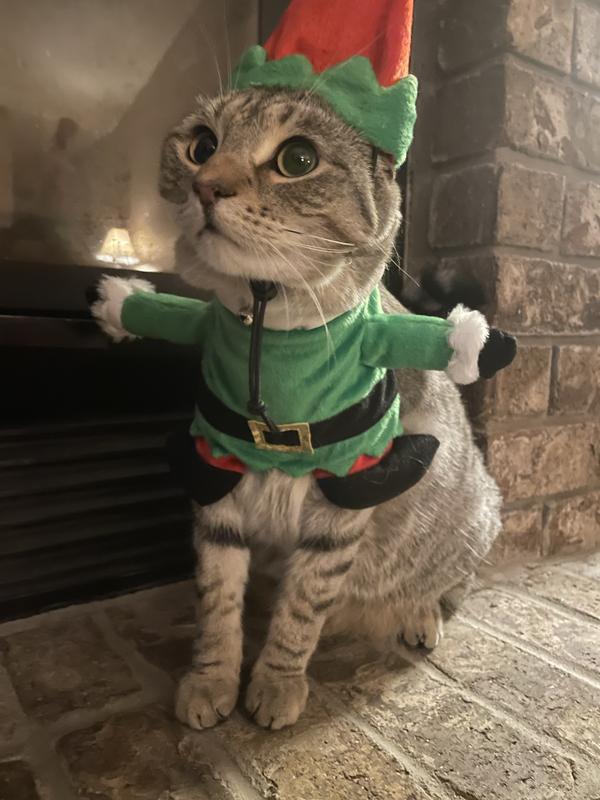
The Elf on the Shelf tradition started back in 2005 when Carol Aebersold and her daughter Chanda Bell self-published the book “The Elf on the Shelf: A Christmas Tradition” along with a special box with a small Scout Elf inside. In an interview with “The News with Shepard Smith,” Bell said the tradition is like a “simple game of hide and seek.”
I remember as far back as 1964 there being an elf on our shelf at home. He came as a decoration on an FTD holiday bouquet. Maybe Ms. Aebersold invented a way to find fame and fortune with the elf, but the elf was definitely alive and well and living in Cuyahoga Falls, Ohio in 1964,

Unlikely Old Chinese Proverbs
Those who jump off a Paris bridge are in Seine.
A cardboard belt would be a waist of paper.
Those who throw dirt are sure to lose ground.
Man who streaks is unsuited for his work.
Girl who does everything under the sun gets everything sunburned.
Man who places head in sand will get kicked in the end.
Man who gets too big for his britches may get exposed in the end.
Man who keep feet firmly on ground have trouble putting on pants.
Man who sinks into woman’s arms soon will find arms in woman’s sink.
All men eat, but Fu Man Chu.
Girl who goes camping must beware of evil intent.
If you want a pretty nurse, you must be patient.
Modern house without toilet is uncanny.
Man who jump off cliff jump to conclusion.
Who followed Snap, Crackle, and Pop?
You’ll have to listen to find out!
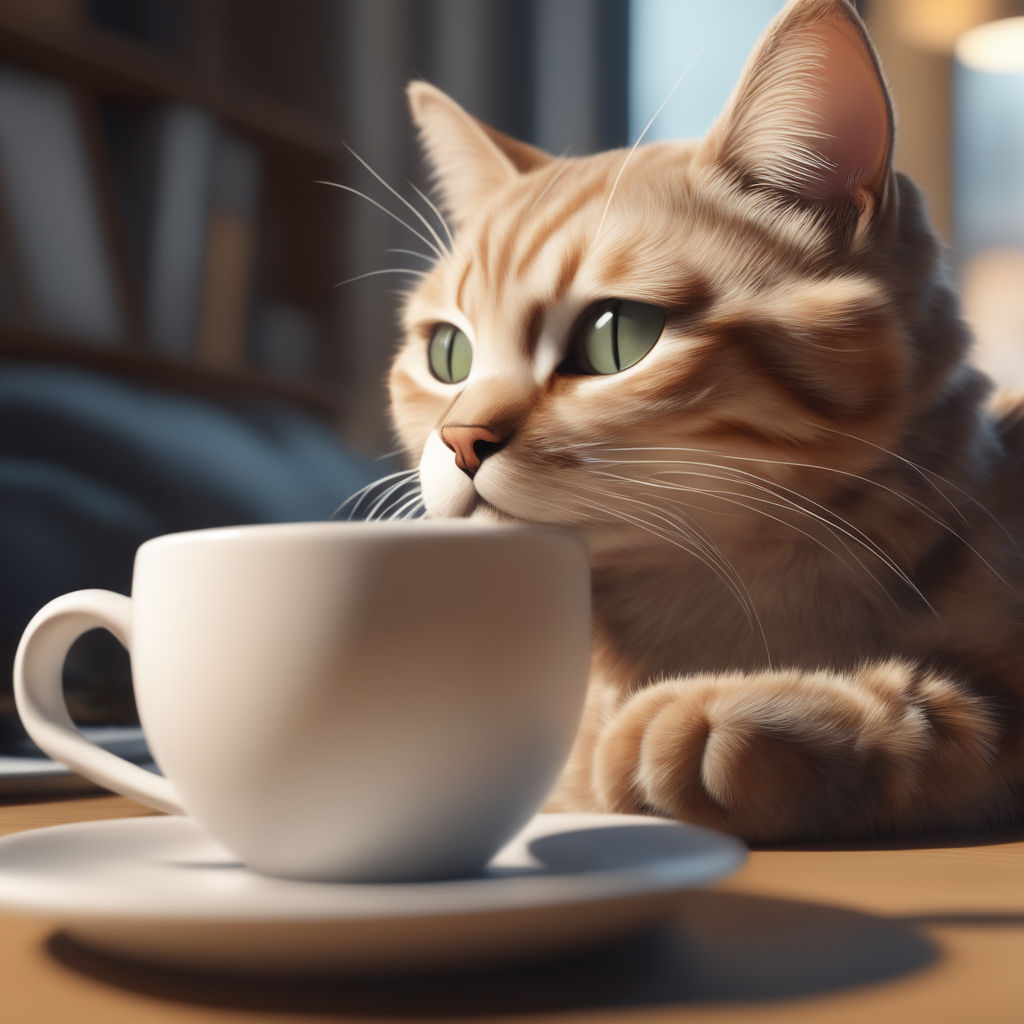
Curious Sayings/Words: ‘Cup of Joe’
From mentalfloss.com
Why Do We Call Coffee a ‘Cup of Joe’?
One of the most common ways we’ve referred to coffee in the past century is to call it a “cup of joe.” Why do we do that? The real answer is that we’re not quite sure, but there are some theories.
One theory is that it’s named after Josephus Daniels, a U.S. Secretary of the Navy. In 1914, he banned alcohol from being served on Navy ships. After that, coffee would have been the strongest drink allowed onboard. So, the theory goes, sailors started calling coffee “Joe” to spite Secretary Josephus.
The problem is most alcohol had already been banned on Navy ships 50 years earlier. A daily ration of grog was once normal on Navy ships, but an 1862 edict put that practice to rest. So by 1914, the only hard stuff that would have been left was wine served in the officer’s mess. So Josephus’s ban wouldn’t have had much effect on the average … well … the average Joe.
Another theory is that this name for coffee is based on an African-American spiritual written by Stephen Foster, called “Old Black Joe.” There is a comic strip from 1911 that describes this phrase as meaning coffee without milk. The problem is the comic is making a joke, suggesting that when that song is played in a restaurant, it means a customer wants coffee. The song itself never mentions coffee. And the song was popular way back in the 1860s. So it doesn’t make sense that it generated a slang term that wasn’t popular until the 1930s.
Java + Mocha = Jamoke
The most likely reason a “cup of joe” means a cup of coffee is that joe is a shortened form of jamoke, which is a combination of the words java and mocha.
That’s our best guess as to why a cup of coffee is also called a “cup of joe.” I hope you enjoyed a cuppa today, and I hope that it was more unicorn than sludge.
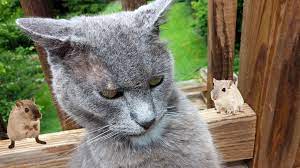
Why did the squirrel bury her lottery tickets under a bush?
She was hedging her bets.
 The best of internet humor...on the radio